Leaders n Teachers • School Curriculum

A kindergarten curriculum for Nursery, LKG and UKG, planned day by day

Young children learn best through play, talk and doing. A good kindergarten day still needs a plan behind it, so that teachers know what to teach, how to teach it and what to keep ready.

Leaders n Teachers gives your school a child-centric curriculum, with everything planned and ready: the annual calendar, the monthly curriculum split, lesson plans for each day and each session of the day, worksheets, resources, newsletters and event calendars, along with teacher support. Every lesson has something for the head, something for the heart and something for the hand.
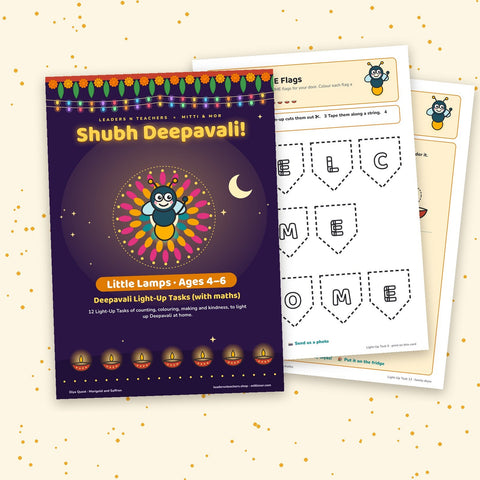
Samples and a walkthrough on request

How our curriculum is built: Head, Heart and Hand

Every lesson we plan gives a child three things: something for the head, something for the heart and something for the hand. This is the thought behind the whole curriculum, from the year plan down to a single worksheet.

HeadKnowledge · thinking and wondering

Children meet ideas they can understand at their age, and are given time to ask why.

  • New words and concepts from the theme of the week
  • Sounds, letters and numbers, step by step
  • Questions, patterns and simple experiments

HeartAttitude · feelings, values and relationships

Children learn to notice their feelings, care for others and feel safe enough to try.

  • Conversation Time and circle talk
  • Life skills: sharing, taking turns, helping
  • A calm home period and mindfulness to start the day

HandSkills · doing, making and moving

Children learn by touching, building and making things with their own hands.

  • Hands-on material listed in every lesson plan
  • Art and Design, Music and Movement
  • Fine and gross motor work every week

What this looks like in one lesson

An example from a UKG unit of inquiry on light and shadows, a theme in the spirit of the IB PYP strand How the World Works. Every lesson plan is built the same way.

HeadNotice where shadows fall, wonder why they change through the day, and match objects to their shadows.
HeartTalk about how the dark can feel, take turns making shadow shapes, and help a friend find their shadow.
HandMake shadow puppets with a torch, trace a friend's shadow outdoors in chalk, and build a small shadow theatre.

The child is already capable

We begin from what a child can do and is curious about. Our job is to set up the right experiences, not to fill an empty vessel.

Experience first, then the idea

Children handle real objects first, then see pictures, and only then meet the written word or number.

Play with a purpose

Play is how young children learn. Each game and activity in the plan is there to build a skill.

Watching, not testing

The assessment planner tells teachers when and what to check. Most of it is done by watching children as they work and play.

Every day has a rhythm

A timetable for each grade and a settling plan help children feel safe, so they are ready to learn.

Teachers and parents together

Teachers get clear plans and orientation; parents get an orientation session, so school and home pull in the same direction.

Head, Heart, HandDevelopment domains named in India's NCF for the Foundational Stage (2022)
HeadCognitive development; language and literacy
HeartSocio-emotional and ethical development; positive learning habits
HandPhysical development (fine and gross motor); cultural and artistic development

This table shows how our way of planning lines up with the domains in the national framework. It is our own mapping, not an official certification.

What school leaders should look for in a kindergarten curriculum

A simple test: can each teacher tell you what the children are learning today, and why it matters for them?

Teacher clarity

Step-by-step lesson plans tell a teacher what to teach, how to teach it and what material to keep ready.

Steady progress

Each year builds on the one before. An assessment planner shows when to check and what to check.

A predictable day

A class timetable for each grade, and a settling plan for the first days, help children feel safe and ready.

Play with a plan

Play is how young children learn. We give every activity a purpose, so each one builds a skill.

What goes inside our curriculum

We plan by areas of a child's growth, then turn them into daily lessons and simple checks.

Area of learningWhat it looks like in classWhat teachers look for
LanguageEnglish; Hindi from LKGRhymes, stories and picture talk, letter sounds, early reading and writingListening well, speaking with confidence, knowing sounds and letters
MathCounting with real objects, sorting, patterns, shapes and number gamesCounting correctly, knowing numbers, spotting patterns and shapes
Theme / Unit of InquiryOne theme for a week or more, tying together the talk, stories, activities and worksheetsCuriosity, good questions, new words and ideas about the world
Fine and gross motorTearing, threading, colouring and tracing; running, jumping, balancing and movement gamesPencil grip, hand control, balance and coordination
Life skills and Conversation TimeCircle talk, sharing, taking turns, caring for oneself and for othersListening to others, putting feelings into words, independence and kindness
Art and Design, Music and Movement, Story TimeMaking art, songs and dance, stories read aloud and retold by the childrenImagination, self-expression and joining in with confidence
STEMSimple hands-on activities: build it, test it, watch closely and ask whyAsking questions, trying things out, explaining what they notice
Home period and mindfulnessA calm first period of the day, with mindfulness activities for each gradeSettling in, calm focus and readiness for the day

On a phone, swipe the table sideways to see all three columns.

Daily non-negotiables that protect learning time

Four habits are built into every week of the plan, so the day is spent on learning, not on working out what comes next.

A timetable for every grade

Each grade has its own class timetable, so the day keeps a steady rhythm and little time is lost between activities.

Hands-on in every lesson

Children touch, build, sort and make. Each lesson plan lists the material to keep ready.

Talk time every day

Conversation Time gives every child a turn to speak and a turn to listen, not only the teacher.

Movement every day

Gross motor and Music and Movement sessions keep children active as part of learning, not as a break from it.

How we bring the curriculum into your school

We do not just hand over files. We help your team start well and stay on track through the year.

Step 1Call

Understand your school

We start with a call about your timetable, your classes and your teachers, so we know where the curriculum has to fit.

Step 2Year map

A year map for your calendar

The annual calendar and themes are set to your school year. If you want changes to suit your school, we customise it.

Step 3Orientation

Teacher orientation

We walk your teachers through the plans, so the curriculum is ready to teach on a Monday morning.

Step 4Support

Support through the year

Classroom observation and feedback, a parent orientation session, and regular check-ins with your team.

Foundations, without rushing childhood

Every week gives time to the head, the heart and the hand. Reading and number skills are built step by step through play, stories and hands-on work, so children grow ready for the next class without being pushed too early.

Why schools choose Leaders n Teachers

A curriculum is only as good as the way it is used in class. This is what we bring to your school.

Head, heart and hand in every lesson

Every lesson gives children something to think about, something to feel and something to do with their hands.

Planned from the year down to the day

Annual calendar → monthly curriculum split → lesson plans for each day and each session → worksheets, resources, newsletters and event calendars.

Support beyond content

Teacher training, classroom observation and feedback, a parent orientation session, and help with event planning.

Child-centric by design

We begin from what each child can do and is curious about, so children grow in more than reading and counting.

FAQs

How are Nursery, LKG and UKG different, without repeating?
Each year builds on the one before. Children meet new sounds, numbers and ideas each year, and go further with the ones they already know. Hindi starts in LKG, and UKG takes on bigger ideas about the wider world.
What is the right balance of play and academics?
We plan every week around the head, the heart and the hand. Every week gives time to all three, so life skills, conversation, movement, art and stories sit alongside language, math and the theme.
How should we assess young children?
The curriculum comes with an assessment planner that sets out when to assess and what to assess through the year. Much of it is done by watching children as they work and play, not only through written tests.
What do parents need to hear?
Parents want to know what their child is learning and how. We offer a parent orientation session that explains both, so families understand the year and can support it at home.

Bring order to the day, and confidence to your team.

Ask for sample plans and worksheets for your grades. We will walk you through how the curriculum works in a real week.

Ask for samples

Ready to plan your kindergarten year?

Tell us about your school, and we will help you plan the year ahead.

Talk to our team
For school owners and leaders

Ask for samples and a walkthrough.

Tell us about your school. We will share sample plans and worksheets for your grades, and set up a call if you want one.

  • Sample lesson plans and worksheets for your grades
  • A call to walk you through the curriculum
  • Options: ready-made videos and customisation

Prefer WhatsApp? Message us here.

Grades you are looking for
What would help you now?

We use your details only to reply to you.